


History of Maiden Lane
History of Maiden Lane
In the heart of lower Manhattan, the street now known as Maiden Lane was once a Lenape footpath beside a freshwater stream where Indigenous women gathered for daily work, connection, and community. We honor their history and affirm our commitment to compassionate, inclusive care for all who come through our doors.
Deeper history:
Long before lower Manhattan became a dense urban center, this area was home to the Lenape, an Indigenous people whose stewardship of the region stretches back thousands of years. The land around what is now Maiden Lane followed a freshwater stream and footpath used by Lenape women for gathering water, washing, preparing food, and connecting with one another. These daily practices created a vibrant, communal space shaped by women’s labor, relationships, and care.
The Lenape lived in seasonal villages across present-day New York, New Jersey, Pennsylvania, and Delaware, and they cultivated a sophisticated relationship with the land — tending fields, managing waterways, and maintaining extensive trade networks. Their society was centered on kinship, reciprocity, and collective responsibility.
Through colonization, conflict, and displacement, Lenape communities were forced from this area in the 17th and 18th centuries. Yet the Lenape people persist today as the Lenapehoking diaspora, including the Lenape Indian Tribe of Delaware, the Nanticoke Lenni-Lenape Tribal Nation, the Ramapough Lenape Nation, and other Lenape descendants who continue cultural, linguistic, and governmental traditions.
We honor this history and the Lenape people past and present, and we remain committed to providing dignified, skilled, and compassionate care for all who come through our doors. To learn more, visit Lenape Center online or in-person (by appointment).
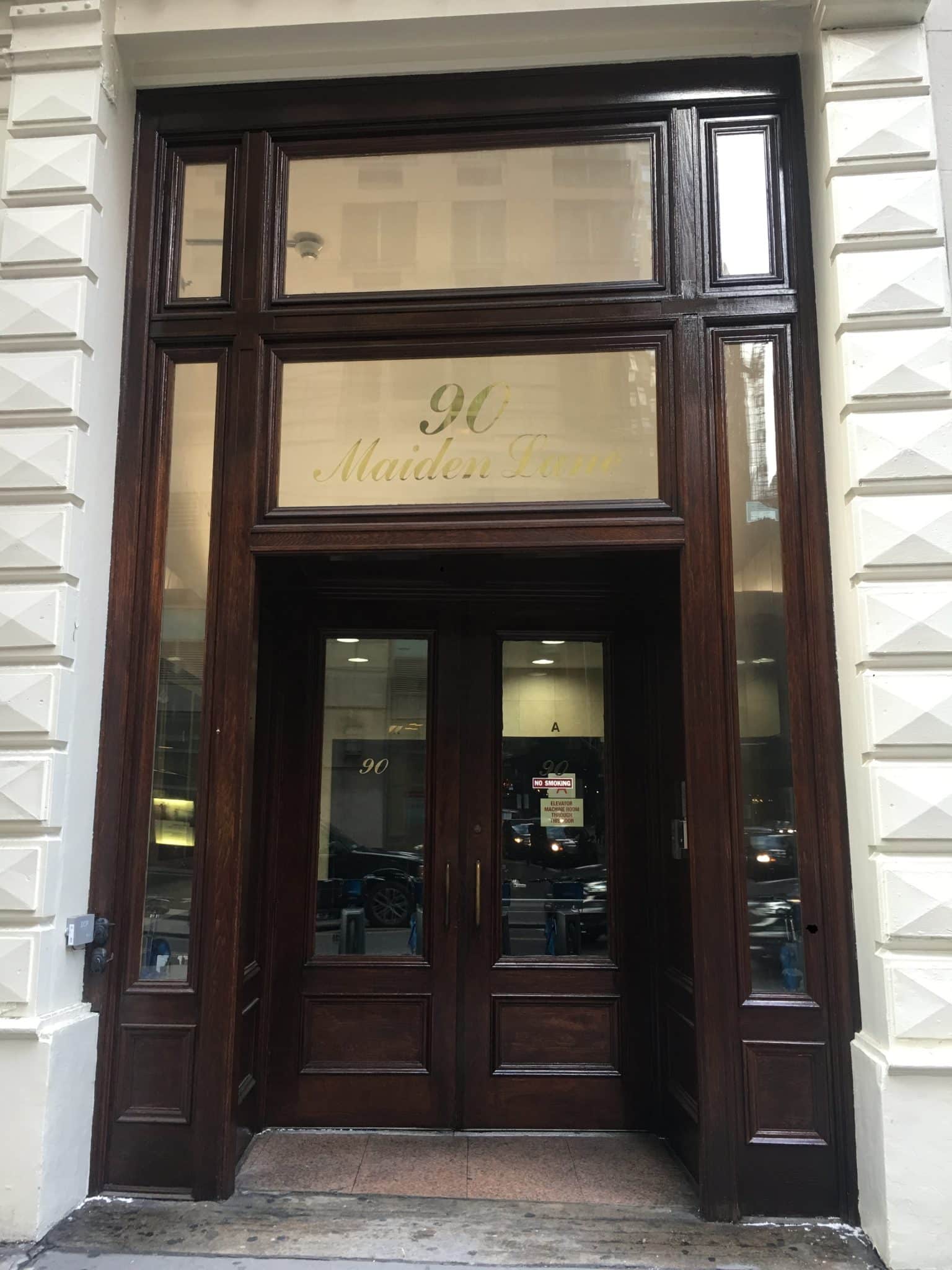
A Brief Timeline from the Dutch Colonial Era to Modern Day: Maiden Lane, New York City
Source: Untapped New York)